
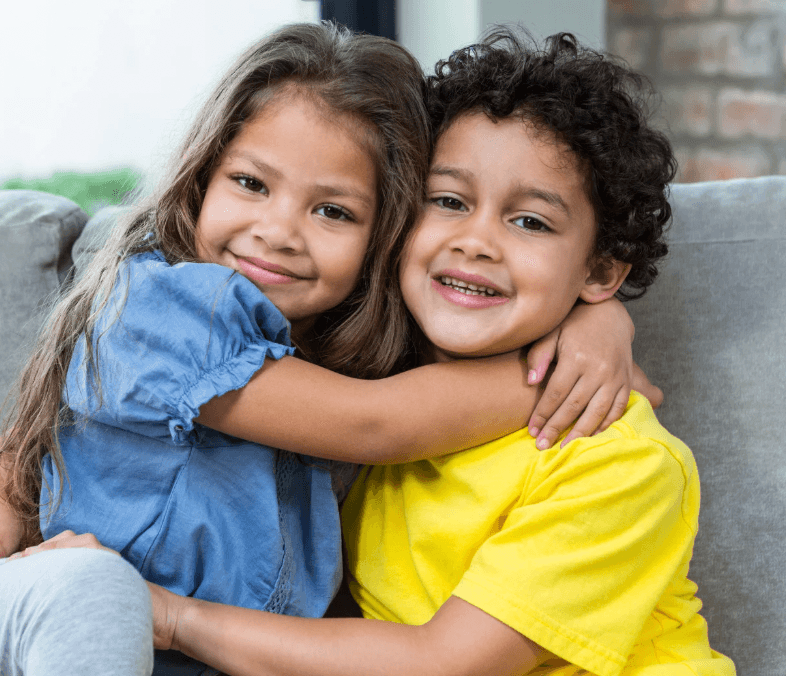
Growing Up With a Sibling With Special Needs
By Huma Durrani.
Understanding the Silent Journey of Neurotypical Siblings
Raising a differently abled child is an extraordinary experience—literally in every sense of the word. I don’t say this with any negativity, because I consider Mo, my eldest son, who is autistic and now an adult, to be my blessing. It was not easy to raise Mo; the first decade was especially exhausting and overwhelming, but things got easier as Mo grew up and learned to manage himself more independently. This article, though, isn’t about Mo or me specifically (if you like, you can watch our videos on YouTube). It’s about the siblings of differently abled children— often unseen, unheard, and unintentionally overlooked.
The Unique Challenges of Siblings of Autistic or Differently-Abled Children
Mo has two younger brothers, now adults as well. My work as a therapist has deepened my understanding of their experience. My husband and I worked hard to be good parents—present, stable, and emotionally available to our children. We raised our children in a strong community, and we maintained close ties with our family back home.
Still, Mo was not an easy brother to grow up with. While we did everything as a family—sports, parties, playdates—his brothers lived through many moments of tantrums, rigidity, and socially inappropriate behaviour. They also had to become responsible far too early—younger siblings becoming the “older brothers” in many ways. This role reversal must have been confusing, heavy, and sometimes frustrating.
What I Wish I Knew About Supporting Siblings
This reflection does not come from guilt. At the time, my capacity was stretched, and I did what I believed was best. But I now realise I should have provided Mo’s siblings with:
A space to process their brother’s differences
A place to talk about the responsibility they carried
Emotional distance from the intensity at home
Support for the role reversal they navigated
A chance to express their feelings about watching their parents struggle
Siblings often internalize, suppress, and “stay strong” because they don’t want to add to the family’s stress.
How Art Therapy Helps Siblings of Autistic Children
I understood this deeply only after working professionally with siblings of autistic and differently-abled children. I saw struggles with understanding behaviours, expectations, emotions, and identity. Art therapy became a fun way for them to express what words could not. Images communicate beyond awareness and bring to the surface feelings that may be unconscious or unspoken. Similarly, family therapy provides a non-confrontational space where communication flows more easily, allowing bonds to be strengthened among all family members.
Advice for Parents and Caregivers
My advice is simple:
If you can, seek support for your other children—even if you think they don’t need it. They might not voice their needs, but siblings often carry emotional burdens silently. Therapy—whether art therapy, individual sessions, or sibling groups—can help them understand, process, and grow from their unique experience.
In Closing: The Family Journey Matters
Raising a differently-abled child is a family journey. While your child with special needs deserves care and compassion, their siblings equally deserve emotional space, understanding, and support. If I could go back, I would still love all my children fiercely—but I would also give my younger two a dedicated place to be heard and held.
AutismParenting Tips