


Expressive Arts Therapy

An integrative approach to healing that blends visual art, music, movement, writing, and drama. No experience in any of them required.

Expressive Arts Therapy

What Is Expressive Arts Therapy?

Expressive arts therapy is an integrative therapeutic practice that may draw from visual art, music, movement, writing, and drama within one therapeutic relationship. It is facilitated by a trained, registered expressive arts therapist. You and your therapist may move between creative forms based on what feels useful, accessible, and appropriate in the moment.

This integrative approach is especially helpful when you are not sure which creative channel suits you, or when different feelings need different outlets. One session might begin with drawing and end with movement. Another might centre on writing or sound. The therapist follows your lead, offering materials and invitations without prescribing a single path. No artistic, musical, or physical skill is needed in any of the forms.

How a Session Typically Works

  1. 1.Check-in: Your therapist gets a sense of how you are feeling today.
  2. 2.Invitation: You are offered a range of materials and creative starting points.
  3. 3.Multi-modal exploration: You create, move, write, or play. You may shift between forms.
  4. 4.Reflection: You talk about what came up, if you want to.

Benefits of Expressive Arts Therapy

01
Freedom to follow what fitsYou are not locked into one medium. If drawing feels stuck, you can move to sound or movement.
02
Accesses different layers of experienceVisual, auditory, kinaesthetic, and verbal channels each reach different parts of your inner world.
03
Lowers the barrier to entryIf you are not sure which creative therapy is right for you, this one lets you explore without choosing first.
04
Supports identity and life transitionsBlending writing, collage, and movement is especially powerful for exploring who you are becoming.
05
Adapts across ages and needsThe integrative format can be tailored to different developmental stages, preferences, and therapeutic goals.

Who May Benefit Most From Expressive Arts Therapy

Each group below links to a dedicated page with more specific guidance.

YOUR FIRST VISIT

What to Expect in Your First Session

Introduction

Getting comfortable and settled in.

Explore the options

Your therapist shows you what is available: art materials, instruments, space to move, writing tools.

Reflection

You talk about what came up, at your pace.

Next steps

Scheduling and planning ahead together.

Expressive Arts Therapists Ready to Match With You

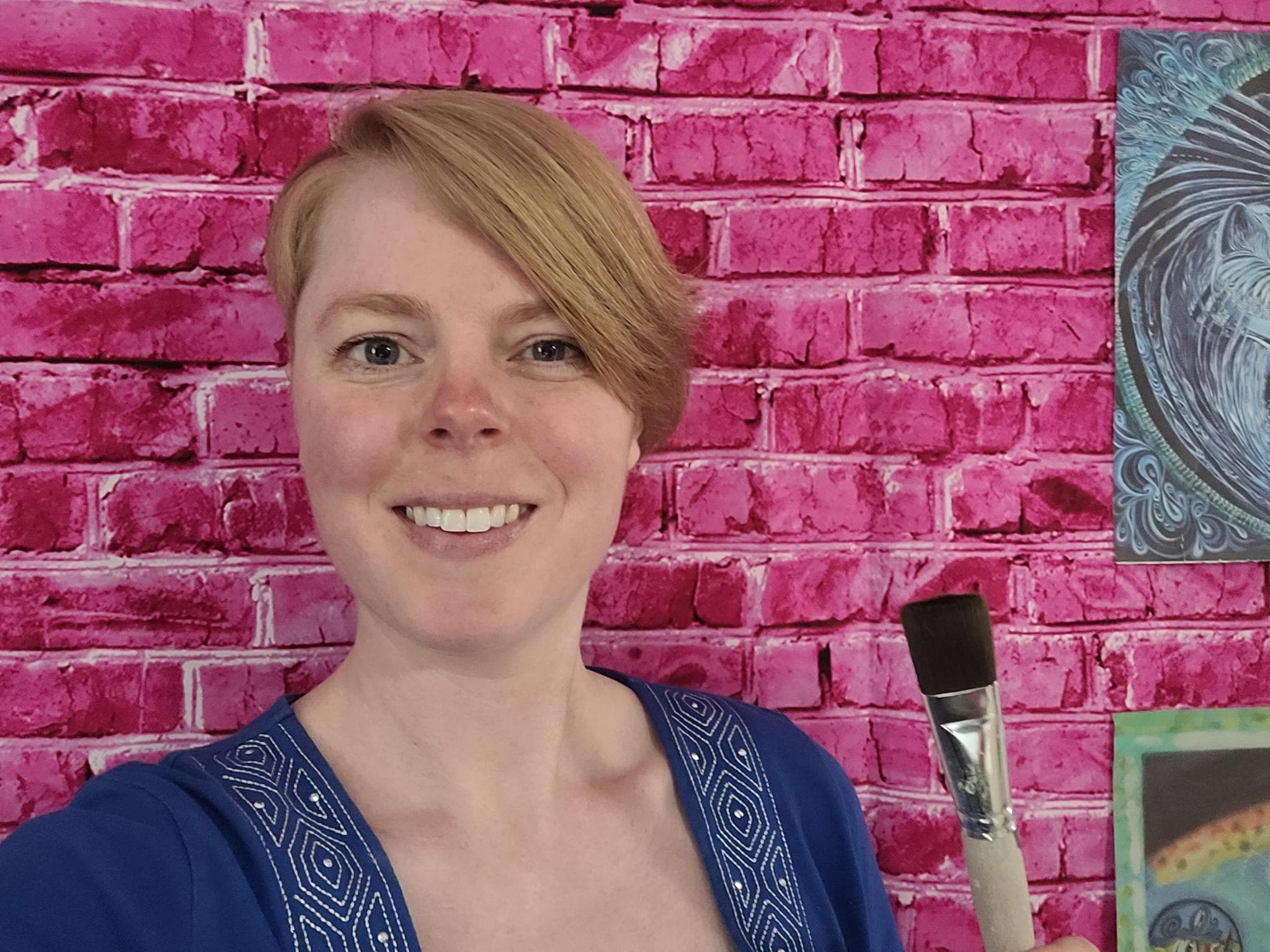
Savannah Dasilva, Expressive Arts TherapistVettedHybrid

Savannah Dasilva

Expressive Arts TherapistCA

  • Person-Centered or Humanistic Therapy
  • Emotionally Focused Therapy (EFT)
  • Guided Drawing
View full profile
Helen Drew, Expressive Arts TherapistVettedHybrid

Helen Drew

Expressive Arts TherapistCA

  • Internal Family Systems (IFS)
  • Trauma-Focused Therapy
View full profile
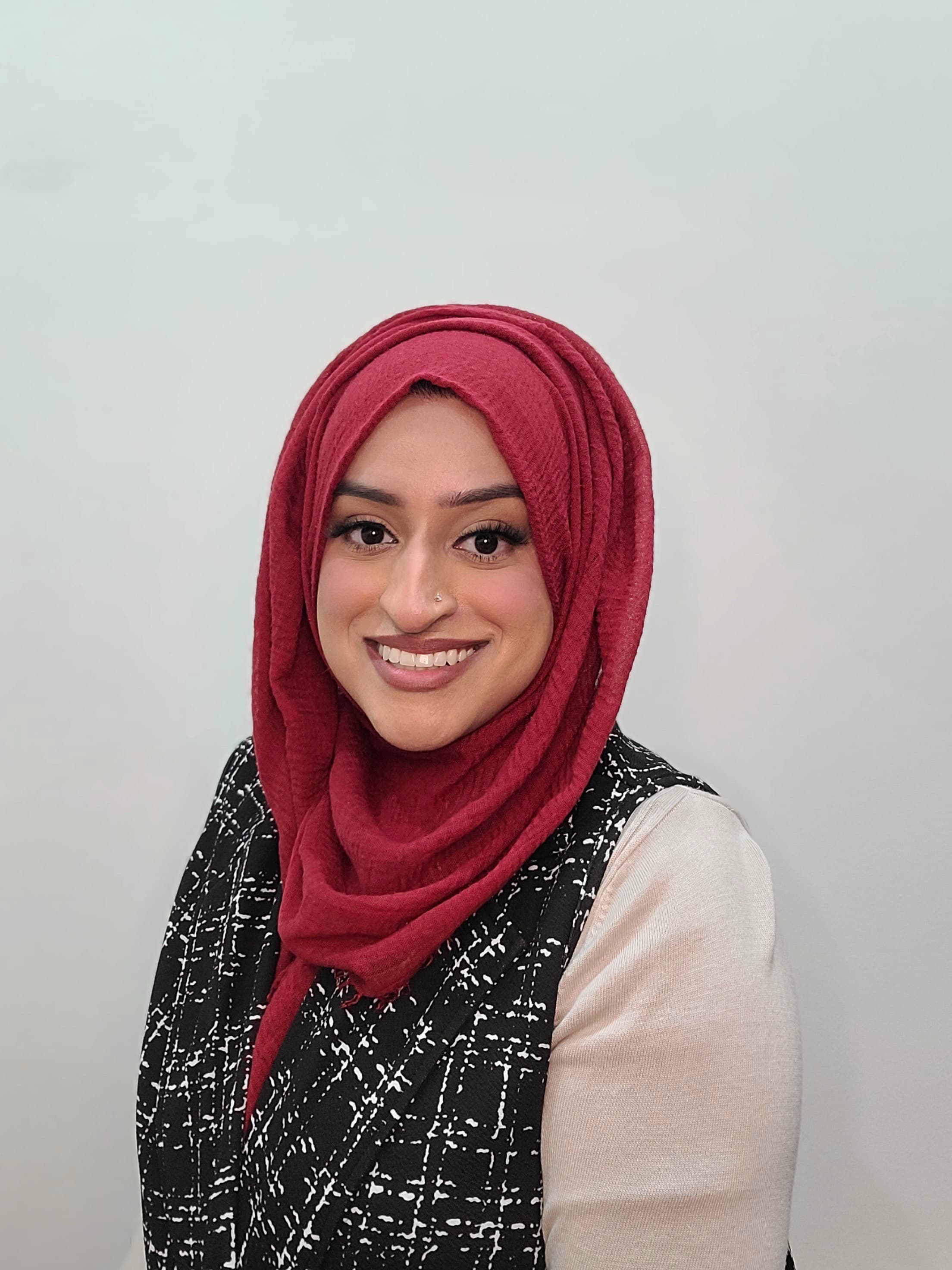
Madiha Bhatti, Art Therapist, Expressive Arts TherapistVettedHybrid

Madiha Bhatti

Art Therapist, Expressive Arts TherapistCA

  • Trauma-Focused Therapy
  • Emotionally Focused Therapy (EFT)
  • Person-Centered or Humanistic Therapy
View full profile

Free Guide

Exploring Expressive Arts Therapy: A Guide to Getting Started

Discover how expressive arts therapy brings together art, movement, music, drama, and writing to explore feelings and experiences—no creative skills or experience needed.

  • Understand how different creative forms can be combined within a session
  • Explore how moving between creative activities can offer new ways to express yourself
  • Find out what to look for when choosing an expressive arts therapist

From the Blog

Frequently Asked Questions

How is expressive arts therapy different from art therapy or music therapy?

Art therapy focuses on visual expression. Music therapy focuses on sound and rhythm. Expressive arts therapy integrates multiple creative forms within a single therapeutic relationship. In a session, you might draw, then move, then write, following whatever channel feels most natural for what you are processing. It is broader, more flexible, and does not require you to commit to one medium.

Do I need experience in any of the arts?

No. No skill or training in visual art, music, dance, writing, or drama is needed. Expressive arts therapy is about the process of creating, not the quality of what you produce. Your therapist will guide you through each form in a way that is accessible and pressure-free.

Is expressive arts therapy covered by insurance?

Coverage varies by country, region, insurer, benefit plan and the therapist's professional designation. In Canada, for example, reimbursement may depend on whether the therapist also holds a regulated designation recognized by the plan. Ask which credential will appear on receipts and confirm eligibility directly with your insurer before beginning therapy.

Who is expressive arts therapy best suited for?

It is especially helpful for people navigating identity questions, life transitions, grief, or creative blocks, and for anyone who is not sure which single modality would be the best fit. It is also a strong choice for people who process the world through multiple senses and find that one channel alone does not capture their full experience.

Can I do expressive arts therapy online?

Yes. Many therapists offer virtual sessions. Online sessions may focus more on drawing, writing, movement, and voice-based activities. Your therapist will guide you on any simple materials to have on hand. The multi-modal approach adapts well to virtual settings because you can shift between channels using whatever you have available at home.