



Art Therapy

A clinical approach to healing through visual expression. No artistic talent required.

Art Therapy

What Is Art Therapy?

Art therapy is a clinical mental health practice that uses the creative process of image-making to help people process emotions, explore identity, and heal from difficult experiences. It's facilitated by a trained, registered art therapist, not just a creative hobby with a therapeutic label.

Unlike traditional talk therapy, art therapy doesn't rely on you finding the right words. Instead, you express through color, shape, and image, and your therapist helps you explore what emerges. No artistic skill is needed; the value is in the process, not the finished piece.

How a Session Typically Works

  1. 1.Check-in: Your therapist checks in and gets a sense of how you're doing.
  2. 2.Materials: You're offered materials: pencils, paint, clay, collage etc.
  3. 3.Create: You create, at your own pace.
  4. 4.Reflect: You reflect together on what came up, if you want to.

Benefits of Art Therapy

01
Externalizes internal experienceGives shape and color to feelings that are hard to name out loud.
02
Supports emotional regulationThe creative process may support grounding, reflection, and awareness of emotional and physical responses.
03
Offers alternatives to wordsImages can provide another way to communicate when experiences are difficult to describe verbally.
04
Builds self-esteem and confidenceCreating something, without judgment, builds a sense of capability and pride.
05
Explores trauma non-verballyImages may help people approach difficult experiences gradually, with appropriate therapeutic support.

Who May Benefit Most From Art Therapy

Each group below links to a dedicated page with more specific guidance.

YOUR FIRST VISIT

What to Expect in Your First Session

Introduction

Getting comfortable and settled in.

Meet the Medium

Your therapist introduces the art materials.

Guided Exploration

You create; your therapist observes and guides.

Reflection

You talk about what came up, at your pace.

Next Steps

Scheduling and planning ahead together.

Art Therapists Ready to Match With You

Nuraishah Binte Abdullah, Art TherapistVettedHybrid

Nuraishah Binte Abdullah

Art TherapistNZ

  • Cognitive Behavioral Therapy (CBT)
  • Solution-Focused Brief Therapy
View full profile
Kanupriya Mody, Art TherapistVettedHybrid

Kanupriya Mody

Art TherapistIN

  • Psychodynamic Therapy
View full profile
Yumeka Wong, Art TherapistVettedOnline Sessions

Yumeka Wong

Art TherapistCA

  • Eye Movement Desensitization and Reprocessing (EMDR)
  • Trauma-Focused Therapy
  • Cognitive Behavioral Therapy (CBT)
View full profile

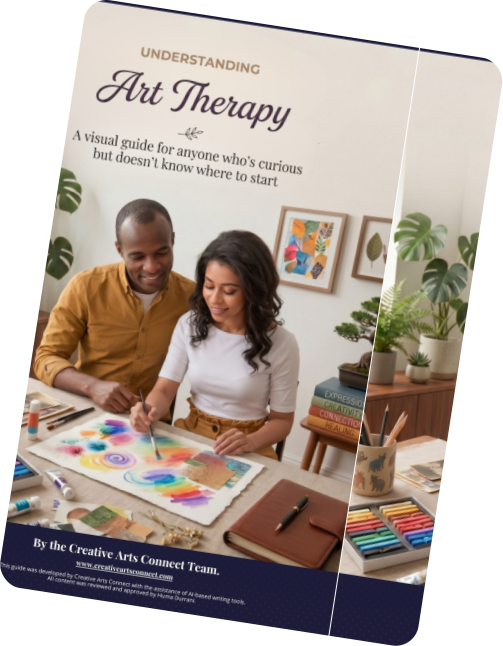
Free Guide

Exploring Art Therapy: A Guide to Getting Started

Discover how art therapy combines creative expression with therapeutic support—no artistic skills or experience needed.

  • Understand what happens in a session and how it differs from an art class
  • Explore how artmaking can offer ways to express feelings when words are hard to find
  • Find out what to look for when choosing an art therapist
Free guide cover

From the Blog

Frequently Asked Questions

Do I need to be good at art to try art therapy?

No. No artistic skill or experience is needed. The value is entirely in the process of creating, not in producing a polished piece. Your therapist will guide you through activities designed for emotional expression and healing, not artistic achievement. There is no right or wrong way to use the materials.

What ages is art therapy for?

Art therapy can be adapted for children, teens, adults, and seniors, including some people living with dementia. Suitability depends on the person's developmental needs, preferences, goals, and the therapist's training. Ask prospective therapists about their experience with your age group and concerns.

Is art therapy covered by insurance?

Coverage varies by country, region, insurer, benefit plan and the therapist's professional designation. In Canada, for example, reimbursement may depend on whether the therapist also holds a regulated designation recognized by the plan. Ask which credential will appear on receipts and confirm eligibility directly with your insurer before beginning therapy.

How is this different from a regular art class?

An art class teaches technique and skill for the purpose of making art. Art therapy uses the creative process for the purpose of emotional healing and self-understanding. There is no instruction, no critique, and no concern with the quality of what you produce. The therapist is a trained clinical professional who guides you through the process therapeutically, not artistically.

Can I do art therapy online?

Yes. Many art therapists offer virtual sessions using simple materials you likely already have at home: paper, pencils, markers, or collage materials. Your therapist will guide you on what to have on hand. Online sessions work well for drawing, collage, and guided visualisation-based approaches.