




Creative Arts Therapy for Autism

Autism is not something to fix. It is a different way of experiencing the world. Creative arts therapy supports autistic children and adults in building communication, connection, and confidence through art, music, play, and movement, on their own terms.

Vetted · Qualified · Matched to Your Needs

Creative Arts Therapy for Autism

Does Any of This Feel Familiar—for You or Your Child?

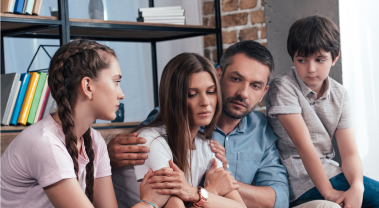
You are not alone. And there is a kind of therapy that does not ask you or your child to mask, perform, or become someone else.

  • Constant exhaustion from masking just to get through the day
  • Watching your child struggle to connect, communicate, or feel understood
  • Sensory overwhelm that makes ordinary spaces feel unbearable
  • Like most therapies were designed for neurotypical people, not for you

How Creative Arts Therapy helps Autism

Autistic individuals often think in images, patterns, and sensory detail. Creative arts therapy speaks that language directly.

How Creative Arts Therapy helps Autism
Communicates beyond wordsArt, music, and movement offer ways to express thoughts and feelings without relying on verbal language.
Respects sensory needsTherapists adjust materials, lighting, sound, and pace to create a space that feels safe, not overwhelming.
Builds connection at their paceCreative activities open the door to social engagement and attachment without the pressure of eye contact or small talk.
Supports emotional regulationRhythm, texture and repetition may support sensory regulation and coping in daily life.

Modalities That Support Autism

The most appropriate modality depends on your needs, preferences, age, sensory profile and the therapist’s relevant training.

Who May Benefit Most

Children who are non-verbal or have limited speechAutistic adults navigating masking, burnout, or late diagnosisTeens managing social challenges, identity, and sensory needsParents seeking support alongside their child's therapyFamilies adjusting to a new diagnosis and looking for next steps

Tap a group above to start the matching quiz pre-filtered for you.

Therapists Who Support Autism

Kanupriya Mody, Art TherapistVettedHybrid

Kanupriya Mody

Art TherapistIN

  • Psychodynamic Therapy
View full profile
Yumeka Wong, Art TherapistVettedOnline Sessions

Yumeka Wong

Art TherapistCA

  • Eye Movement Desensitization and Reprocessing (EMDR)
  • Trauma-Focused Therapy
  • Cognitive Behavioral Therapy (CBT)
View full profile
Rachel Krause, Art TherapistVettedHybrid

Rachel Krause

Art TherapistCA

  • Person-Centered or Humanistic Therapy
  • Ecotherapy
View full profile

Free Guide

When Your Child Can't Find the Words

A parent's guide to understanding how creative arts therapy helps autistic children communicate, connect, and build confidence.

  • Learn how art, music, and play therapy support children on the spectrum
  • Understand what happens in a session and how to prepare your child
  • Simple creative activities you can try at home to support connection

From the Blog

Frequently Asked Questions

How does creative arts therapy help autistic children and adults?

Creative arts therapy offers non-verbal and sensory-based ways to communicate, process emotions, and build social connection. For children who are non-verbal or have limited speech, art and music become the primary language of the session. For autistic adults, creative modalities provide a way to explore identity, manage burnout, and process the emotional weight of masking without relying entirely on conversation.

Is creative arts therapy a replacement for ABA or speech therapy?

No. Creative arts therapy serves a different purpose. It focuses on emotional wellbeing, self-expression, attachment, and sensory regulation rather than behavioural compliance or speech production. Many families use creative therapy alongside ABA, speech therapy, or occupational therapy as part of a broader support plan. Your therapist can coordinate with your child's other providers.

Will the therapist understand my child's sensory needs?

Therapists may adapt materials, pacing and the environment to a person’s sensory profile when this falls within their training and setting. Ask prospective therapists about their experience with specific sensory needs and discuss helpful accommodations before the first session.

Does my child need a formal diagnosis to start?

No. You do not need a formal ASD diagnosis to begin therapy. Many families come to us while still in the assessment process, or because they notice patterns that suggest their child would benefit from creative support. Your therapist will meet your child where they are, diagnosis or not.

Is creative arts therapy covered by insurance?

Coverage varies by country, region, insurance provider, benefit plan and the therapist’s professional designation. Before beginning therapy, ask the therapist what credentials appear on their receipts and check directly with your insurer whether services provided under that designation are eligible for reimbursement.