



Creative Arts Therapy for Children

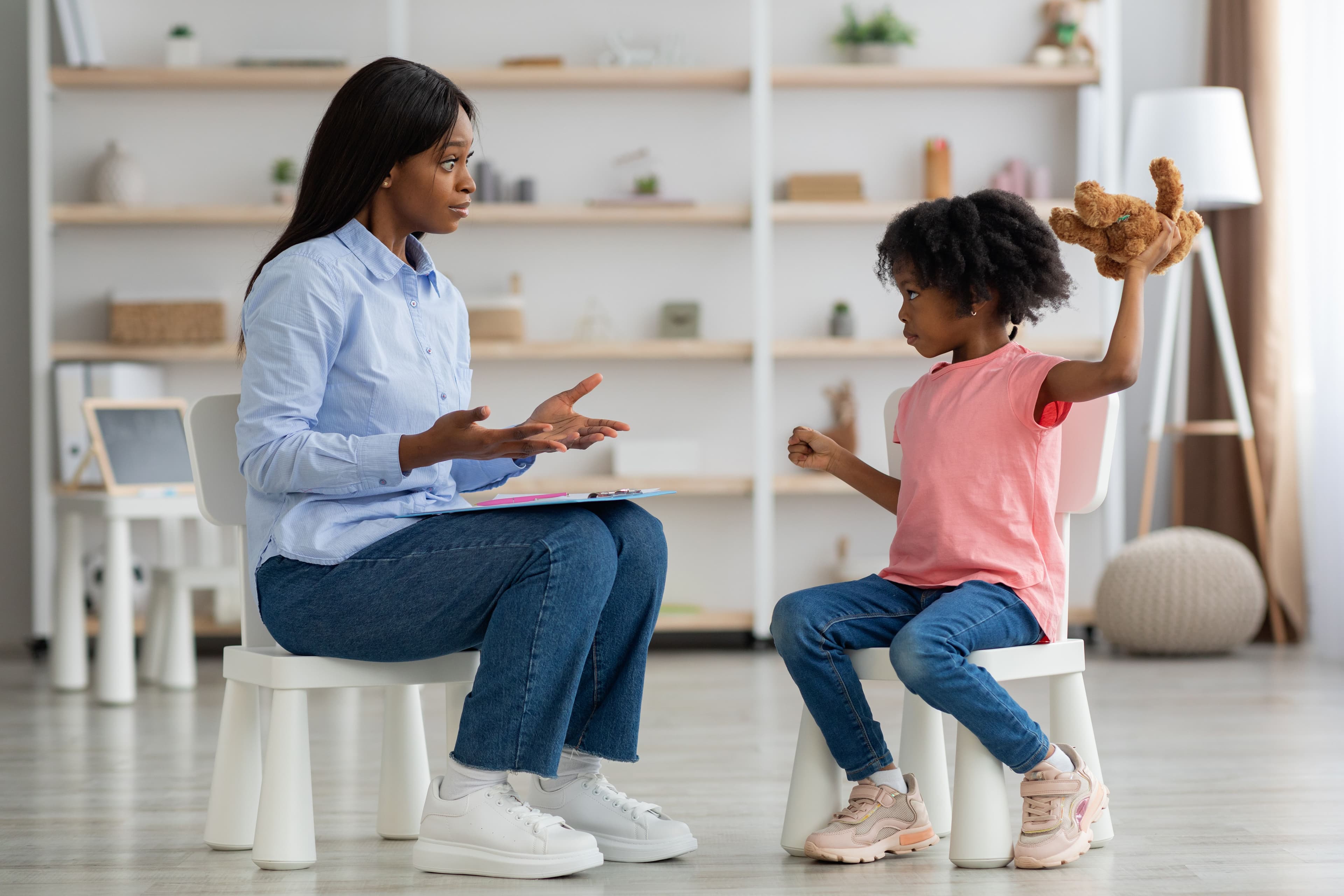
Children may not always have the words for what they are feeling. Drawing, play, movement and music can offer additional ways to communicate. Creative arts therapy may help your child explore experiences in a developmentally appropriate way.

Vetted · Qualified · Matched to Your Needs

Creative Arts Therapy for Children

Does Any of This Feel Familiar—for You or Your Child?

You are not imagining it. And there is a kind of therapy built for the way children actually communicate.

  • Meltdowns, tantrums, or emotional outbursts that feel bigger than the situation
  • Pulling away from friends, school, or activities they used to enjoy
  • Trouble sleeping, new fears, or physical complaints with no medical cause
  • Behaviour changes after a move, a loss, a new sibling, or family changes

How Creative Arts Therapy Helps Children

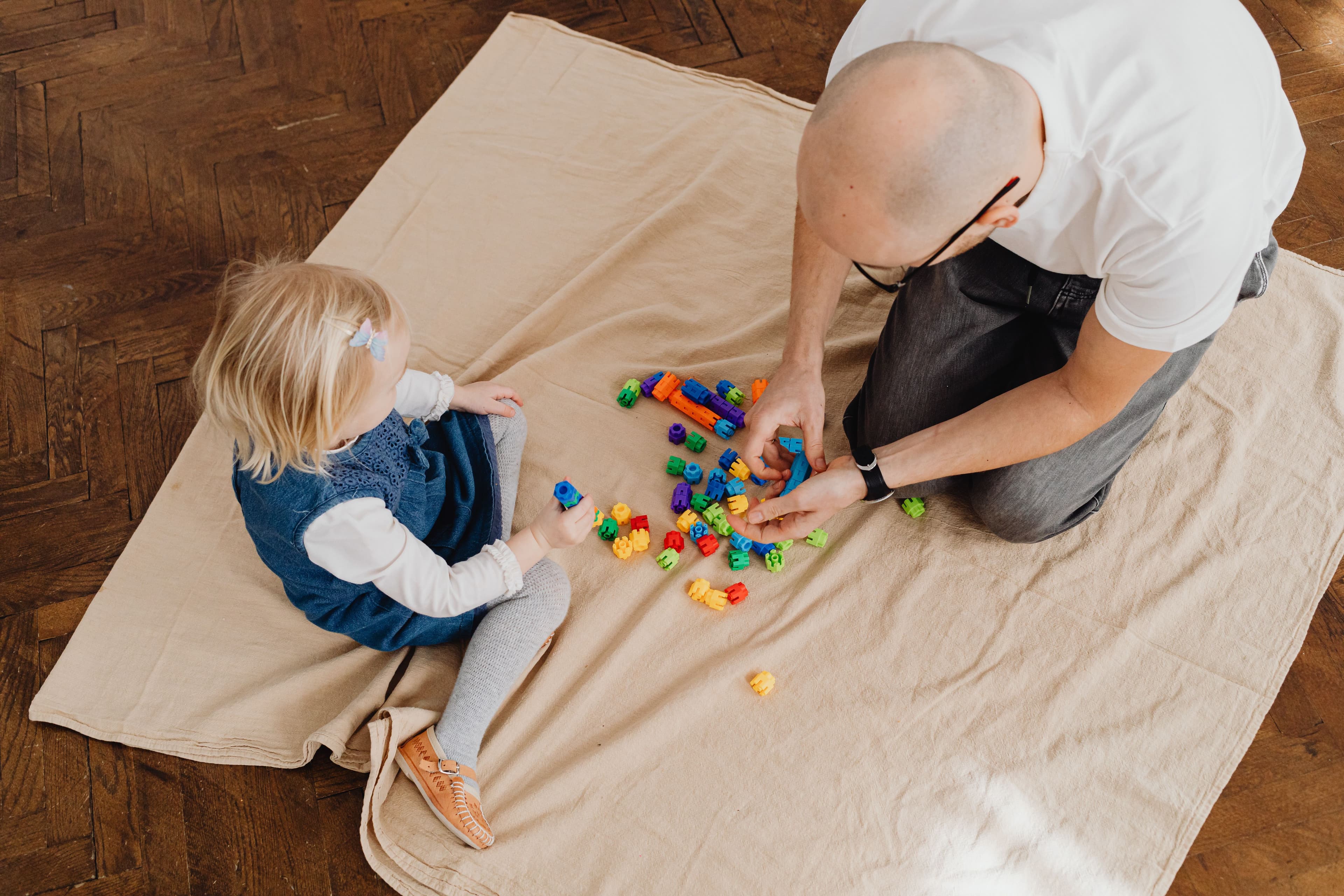
Children often communicate through play, imagination and sensory experience. Creative arts therapy may use these channels to support expression and engagement.

How Creative Arts Therapy Helps Children
Speaks their languagePlay, art, music, and movement are how children naturally express what they cannot put into words.
Offers a child-friendly formatSessions may use play and creative activity so communication does not depend entirely on sustained conversation.
Builds emotional skillsChildren learn to name feelings, manage big reactions, and develop coping strategies through creative activities.
Includes the whole familyParents and caregivers are part of the process, learning how to support their child's progress at home.

Modalities That Help Children

The most appropriate modality depends on your needs, preferences, age, sensory profile and the therapist’s relevant training.

Who May Benefit Most

Children struggling with anxiety, big emotions, or school refusalKids navigating divorce, relocation, or the loss of someone closeChildren on the autism spectrum or with ADHDKids who have experienced trauma, abuse, or neglectChildren who are shy, withdrawn, or have difficulty making friends

Tap a group above to start the matching quiz pre-filtered for you.

Therapists Who Support Child Therapy

Kanupriya Mody, Art TherapistVettedHybrid

Kanupriya Mody

Art TherapistIN

  • Psychodynamic Therapy
View full profile
Yumeka Wong, Art TherapistVettedOnline Sessions

Yumeka Wong

Art TherapistCA

  • Eye Movement Desensitization and Reprocessing (EMDR)
  • Trauma-Focused Therapy
  • Cognitive Behavioral Therapy (CBT)
View full profile
Rachel Krause, Art TherapistVettedHybrid

Rachel Krause

Art TherapistCA

  • Person-Centered or Humanistic Therapy
  • Ecotherapy
View full profile

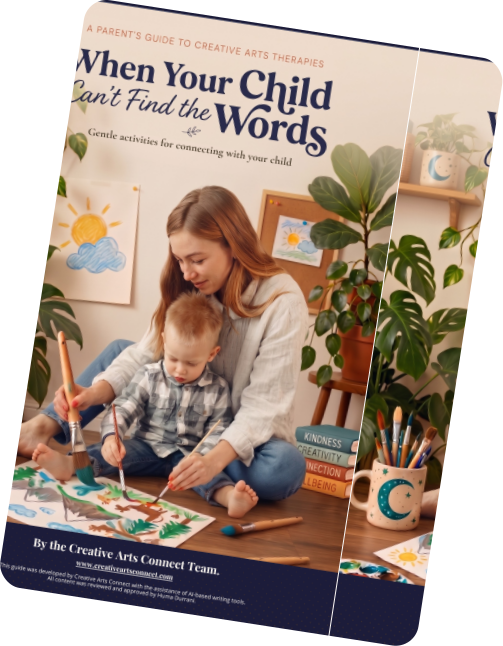
Free Guide

When Your Child Can't Tell You What's Wrong

A parent's guide to exploring what your child's behaviour may be communicating and how creative arts therapy can help.

  • Recognise when your child may benefit from additional emotional support
  • Discover how play, art, drama, music, dance/movement, and expressive arts therapies offer children ways to express themselves
  • Learn what to expect from your child's first therapy session
Free guide cover

From the Blog

Frequently Asked Questions

How does creative arts therapy help children?

Children communicate through play, art, and movement far more naturally than through conversation. Creative arts therapy uses those channels to help your child express feelings they cannot put into words, build emotional regulation skills, and work through difficult experiences at their own pace.

At what age can my child start creative arts therapy?

Some creative arts therapists work with very young children, but suitability depends on the child’s developmental needs and the therapist’s training. Ask prospective therapists about their minimum age, parent involvement and how they adapt sessions for younger children.

Will I be involved in my child's therapy?

Yes. Parents and caregivers are an essential part of the process. Depending on your child's age, this may include regular updates from the therapist, strategies to practise at home, parent-only sessions, or joint sessions with your child. For younger children, a large portion of the work happens through coaching parents on how to respond differently.

What if my child will not talk to the therapist?

Some children need time before speaking directly with a therapist. Play, drawing, music and drama may offer other ways to communicate while trust develops. The therapist should adapt the pace to your child’s comfort, developmental level and needs.

Is creative arts therapy covered by insurance?

Coverage varies by country, region, insurance provider, benefit plan and the therapist’s professional designation. Before beginning therapy, ask the therapist what credentials appear on their receipts and check directly with your insurer whether services provided under that designation are eligible for reimbursement.